Common car lock problems in cold weather — and how to solve them

Cold is the greatest natural test for car locks. What works flawlessly in summer can, below freezing, seize up, ice over or simply refuse to turn. Across many winters in the workshop we have seen the same problems repeat — and, more importantly, we have seen how easily they are avoided.
Why a lock freezes and a key turns hard
Moisture that enters the cylinder during the day freezes at night and blocks the mechanism. On top of that, old or dried grease in the lock becomes thick and sticky in the cold, so the key turns hard or not at all. If the key already “squeaks” and drags in summer, winter will only make that problem worse.
What you may do, and what you must never do
- DO: warm the key (not the lock) or use a proper lock de-icer product.
- DO: try the side doors or the boot — they are often not frozen like the driver’s door.
- DON’T: pour boiling water over the lock — a sudden heat shock followed by refreezing causes greater damage.
- DON’T: force the key — a stiff key in the cold easily snaps inside the lock, and that is then a much more expensive problem.

A dead remote battery right in the freeze
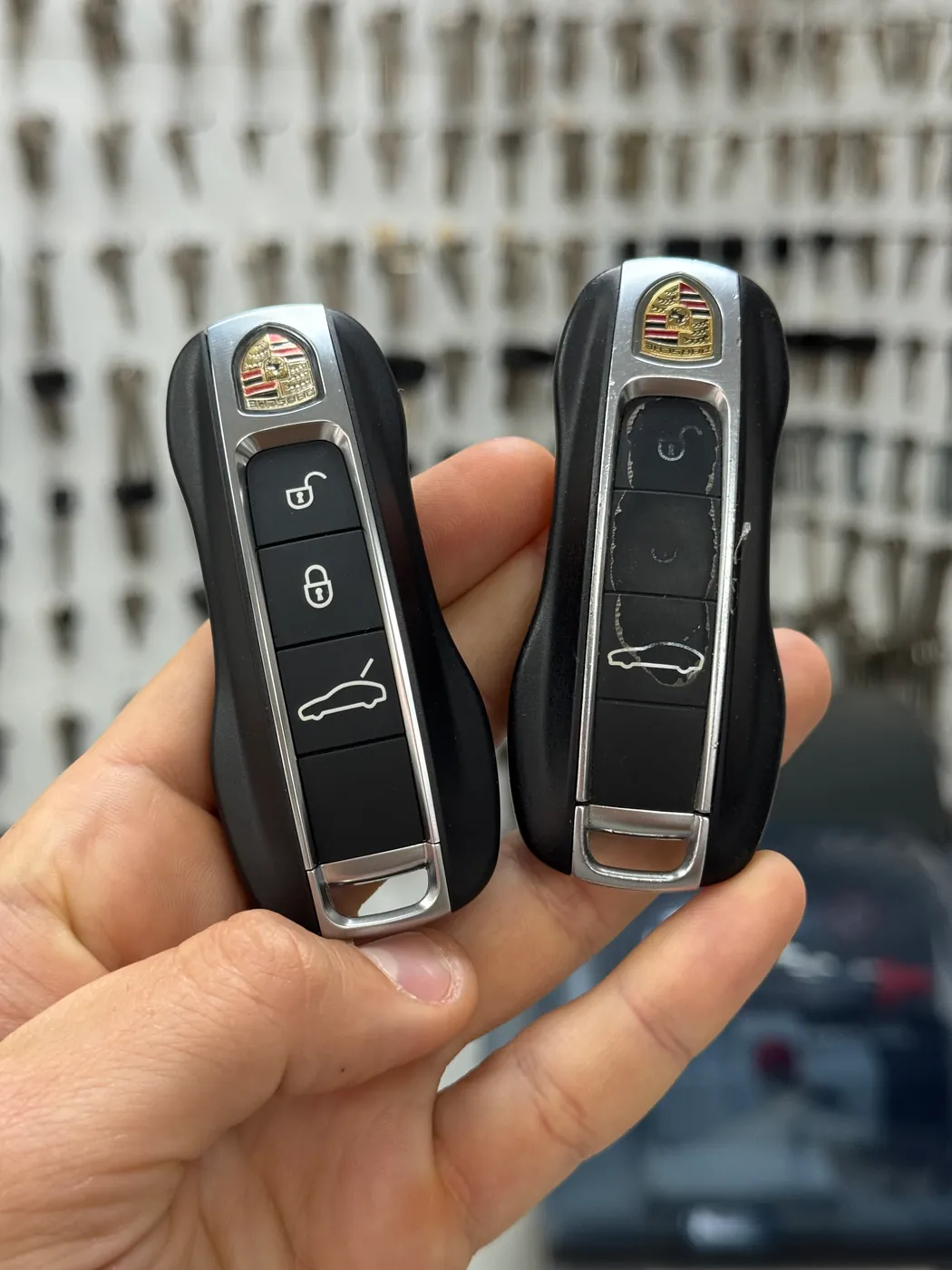
Cold reduces a battery’s capacity, so a remote that worked fine in summer can “die” overnight in winter. That is why autumn is the ideal time to replace the battery in your key — a small thing that costs little and saves you a frozen morning beside a vehicle that will not respond. We replace batteries quickly, and for most keys while you wait.
See our services for car keys and locksHow to prevent problems before they start
The best repair is the one you do not need. Before winter it pays to lubricate the cylinder with a proper product (not oil, which collects dirt), replace the remote battery and, if the key already drags, sort it out in time. If a lock does freeze or a key jams, call us before you reach for force — a single piece of phone advice often prevents an expensive fault.
Frequently asked questions
We do not recommend it. Boiling water de-ices the lock suddenly, but that water refreezes and can cause greater damage, and it marks the paint and bodywork. It is better to warm the key or use a proper lock de-icer product.
Need advice or an appointment?
Call us or send an enquiry — we are glad to help with keys, locks and security.